
The S&P 500 closed at 7,041 points, extending its rally to new all-time highs. The Nasdaq Composite posted its 12th consecutive positive session, marking the longest winning run since July 2009. Both indices achieved fresh records despite technical analysts’ warnings about fragile foundations.
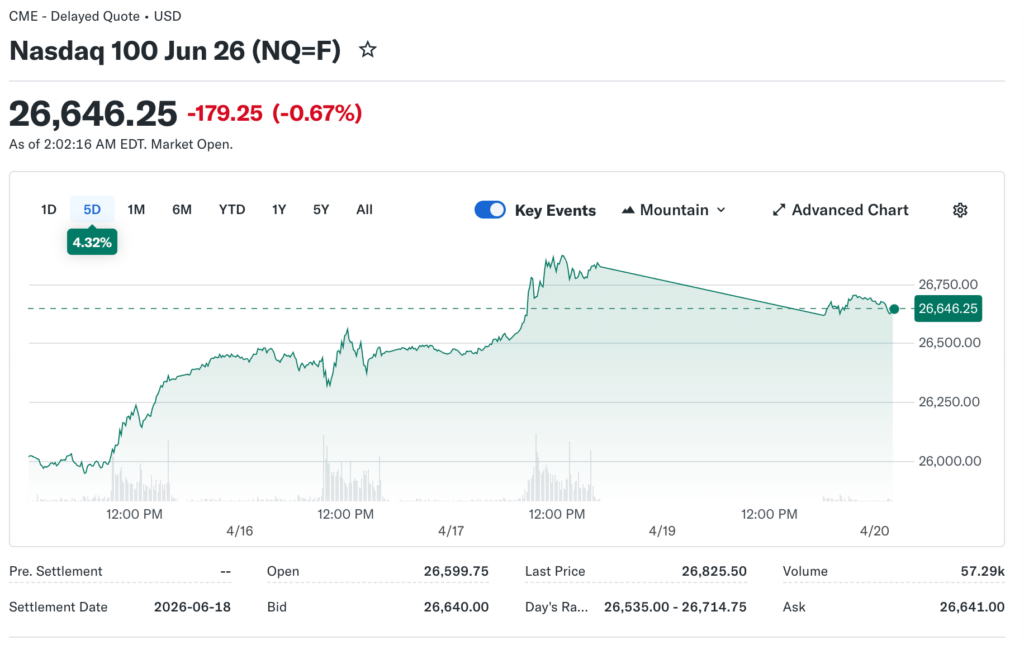
Senior financial analyst Brian Elmers from Taurus Partners examines how overbought conditions emerged as momentum indicators flashed cautionary signals. The rapid 12-day transition from oversold to overbought territory masked a precarious macro reality. Oil prices remained above $90 per barrel, creating ongoing inflation threats.
The Technical Concerns
Breadth indicators failed to confirm index strength as fewer stocks participated. The advance-decline line diverged from price action, suggesting weakness. Mixed signals from short-term strength and lagging intermediate breadth created vulnerability.
Momentum oscillators reached extreme levels typically preceding consolidation or reversals. Relative strength index readings exceeded 70 across multiple timeframes. Historical patterns suggested that extended overbought periods eventually corrected.
The Crude Oil Threat
West Texas Intermediate traded around $93.57 per barrel despite ceasefire optimism. Brent crude held near $98.43, reflecting persistent supply concerns. The elevated energy prices threatened to reignite inflation pressures.
Iran announced the Strait of Hormuz would be completely open during the ceasefire period. However, commercial ships still required coordination with Iranian forces. The US naval blockade remained in full force, complicating shipping logistics.
The Geopolitical Instability
The 10-day ceasefire between Israel and Lebanon provided temporary relief. Markets interpreted diplomatic progress as a pathway toward comprehensive resolution. The US President stated that most negotiation points had already been agreed upon.
Weekend developments threatened to derail the fragile peace as tensions escalated. An Iranian vessel incident created uncertainty about the durability of the ceasefire. Markets faced binary outcomes from ongoing diplomatic efforts.
The Earnings Season
The first quarter reporting period entered full swing with major companies scheduled. Technology giants, including Tesla, IBM, and Texas Instruments reporting this week. Investors focus on guidance commentary and AI monetization progress.
Financial results exceeded lowered expectations, providing market support. Revenue growth rates decelerated but remained positive across sectors. Profit margins held up better than feared during the crisis period.
The Retail Participation
Individual investors who sat out the rally are now chasing upside aggressively. JPMorgan data showed retail buying activity rebounding sharply. Overall participation rose to the 55th percentile from the 10th percentile days earlier.
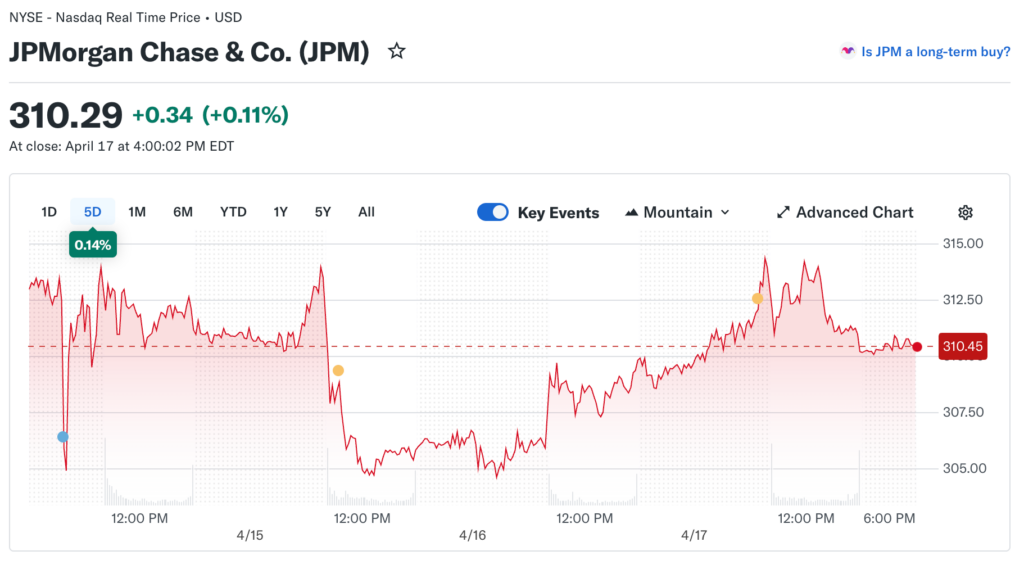
Single-stock purchases climbed to the 71st percentile relative to the past year. The surge suggested retail investors playing catch-up after missing gains. Late entry into rallies historically produced poor risk-adjusted returns.
The Quality Focus
Technical analysts recommended remaining highly selective, focusing on quality setups. The fragile technical foundation required a disciplined approach to positioning. Indiscriminate buying likely to produce disappointing outcomes.
Defensive sectors lagged as investors rotated into cyclical growth names. However, quality companies with strong balance sheets outperformed speculative plays. The bifurcation within the market created stock selection opportunities.
The Small-Cap Surge
The Russell 2000 index hit a new all-time high, surpassing the January peak. The small-cap benchmark traded above 2,750, eclipsing the previous 2,735 record. The index bounced approximately 14% from the March 30 lows.
Small companies outperformed large caps during the recovery phase. The risk-on sentiment favored higher-beta names with cyclical exposure. However, the fundamental quality among small caps remained questionable.
The Consumer Discretionary
The sector rallied 2.5% Friday, becoming the best-performing grouping. Cruise line stocks, including Royal Caribbean, Norwegian, and Carnival, surged over 9% each. The travel-related names benefited from reopening optimism.
Consumer confidence improved as geopolitical risks appeared to diminish. Discretionary spending held up despite elevated gasoline prices. The resilience suggested economic growth momentum continuing.
The Streaming Disappointment
Netflix shares fell 9% in after-hours trading on a disappointing forecast. Investors viewed guidance as underwhelming given subscription growth expectations. The streaming giant faced intensifying competition and market saturation.
Technology stocks showed divergent performance based on execution and outlook. Winners separated from losers as fundamentals reasserted importance. The differentiation allowed active managers to add value.
The Federal Reserve
San Francisco Fed President Mary Daly discussed a patient approach to policy. The policymaker favored lowering rates before the conflict erupted. The current stance is described as slightly restrictive, not constraining the economy.
Policy is positioned appropriately to monitor data and conflict resolution. The wait-and-see mode suited the current uncertain environment. Rate cut expectations diminished as inflation concerns persisted.
The Volatility Paradox
VIX fear gauge remained subdued despite geopolitical uncertainties. Implied volatility compressed to levels suggesting complacency. The disconnect between risk perception and actual threats concerning.
Options markets priced stable conditions ahead despite a fragile ceasefire. Any negative developments could trigger a sharp volatility spike. Hedging strategies appeared prudent given asymmetric risks.
The Investment Strategy
A prudent approach involved remaining selective and disciplined in positioning. Quality companies with strong fundamentals deserved premium allocations. Speculative plays offered poor risk-reward given elevated valuations.
Maintaining diversification and hedges appropriate despite rally continuation. The fragile technical foundation warranted protective measures. Patient investors could find better opportunities if a correction materialized.